Sonali Malla – London
Are the failures of democratic governance in Nepal fuelling a resurgence of support for the return of the monarchy?
There has been a growing sentiment among some segments of the Nepalese population for the restoration of the monarchy, driven largely by dissatisfaction with democratic governance since the abolition of the monarchy in 2008. Let’s examine the reasons behind calls for Monarchy restoration: Since the abolition of Nepal’s monarchy in 2008, Nepal has experienced significant political instability, with 14 different governments in power over 16 years.
This instability has led to public dissatisfaction, prompting some citizens to advocate for the restoration of the monarchy. Pro-monarchy protests have occurred, and the Rastriya Prajatantra Party (RPP), which supports reinstating the monarchy and declaring Nepal a Hindu state, has gained some political traction, securing 14 seats in parliament. However, major political parties, such as the Nepali Congress, have rejected the possibility of reinstating the monarchy, and at present there is no clear evidence indicating widespread public support for such a move. Frequent government changes and their failure to bring political as well as economical stability. This includes infighting among political parties, and self-serving behaviour of leaders. The monarchy, for some, represents a period of relative stability, despite its own flaws. Widespread corruption and inefficiencies in the democratic institutions have made many nostalgic for a centralized system of governance.
Nepal is a predominantly Hindu country, and the people believe the monarchy symbolized the nation’s Hindu identity, which they feel has been diluted in the secular democratic framework. Economic Challenges, unemployment, poverty, and lack of infrastructure development have exacerbated dissatisfaction with democratic governments, making the monarchy seem like a viable alternative to some. Disconnect with the younger generations, especially those facing economic hardships, often view democracy as having failed to deliver the promised progress.
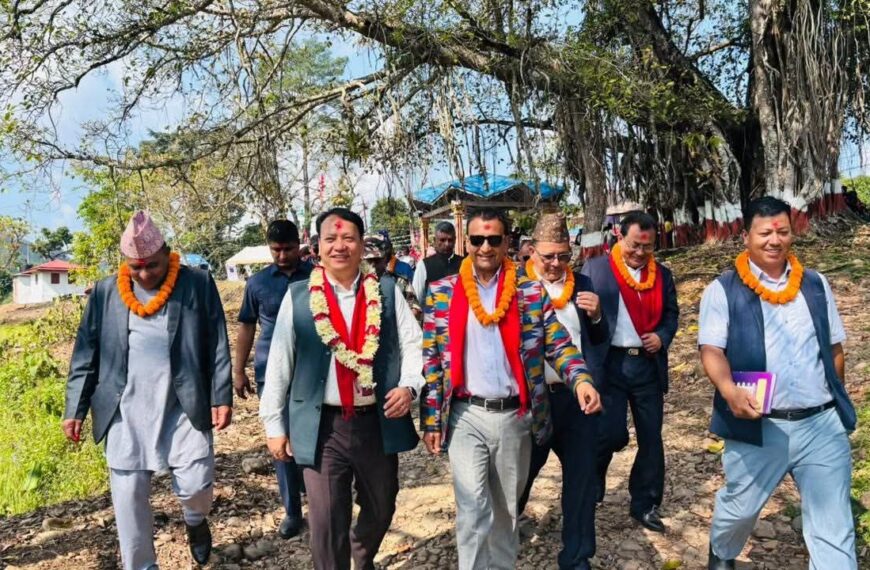
Pro-monarchy groups, including certain political factions and organizations, have been actively advocating for the return of the monarchy, leveraging public discontent for their agendas. Protests and rallies calling for the restoration of the monarchy have been observed in recent years, though these are not yet widespread enough to suggest overwhelming national consensus.
Former King Gyanendra occasionally issues public statements, which gains attention. While dissatisfaction with democracy exists, it does not necessarily translate into widespread support for the monarchy
The demand for the monarchy’s restoration represents a minority opinion but serves as a wakeup call for Nepal’s democratic institutions. If democratic leaders and parties fail to address public grievances, such as corruption, inequality, and lack of services, this sentiment will grow.